Moving Out in Cambridge
The check-out process, deposit return rules, and inventory standards — written for tenants and landlords who want a clean handover without the disputes.
A clean handover, without the dispute
Most deposit disputes in Cambridge come down to the same thing: the property wasn't cleaned to the standard the inventory clerk measured against at check-in. This guide walks both sides through the process — what tenants should do to get their deposit back in full, and what landlords should expect from a clean that's actually relet-ready.
We've written it from what we see every week across CB1–CB5 and the surrounding villages — the deductions that come up again and again, the details inventory clerks flag first, and the timeline that actually works around a key-handover date.
The check-out process
Four steps between giving notice and getting your deposit back in full.
Give notice properly
Check your tenancy agreement for the required notice period — usually one month for periodic tenancies. Put it in writing and keep a copy. Your landlord or agent can't start planning the relet until they know you're leaving.
Book the clean before handover
Schedule your end of tenancy clean for a day or two before key handover — not the same morning. If the clean flags anything, you need time to put it right. Most Cambridge letting agents want keys returned with the property already clean.
Attend the check-out inspection
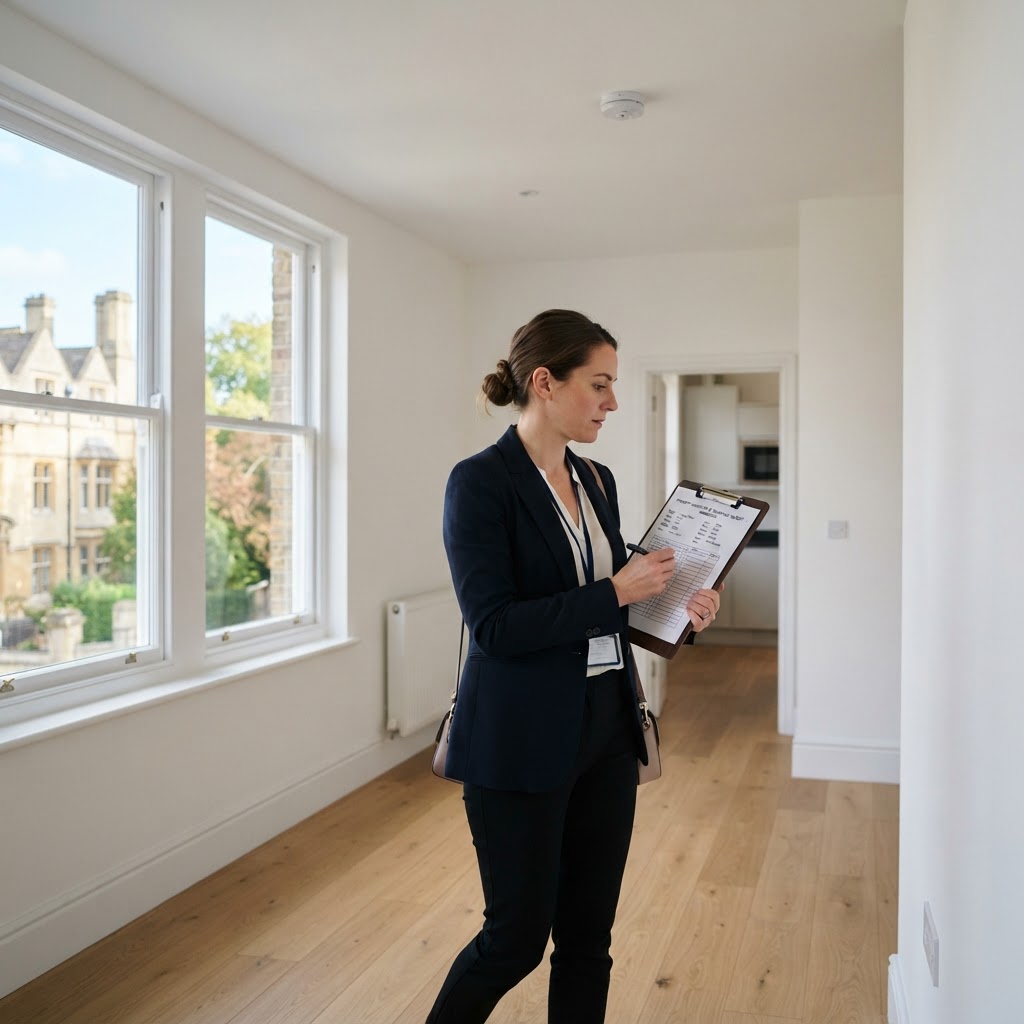
Be present when the agent or landlord does the check-out. Walk through with the inventory report in hand, photograph every room, and agree any issues on the spot. Disputes are far harder to win after you've handed back the keys.
Return keys and meter readings
Hand back all sets of keys, take final meter readings, and forward them to your supplier and agent. Keep the readings and a dated note — deductions for utility gaps are common and entirely avoidable.
The most common deposit deductions
These are the items Cambridge letting agents and inventory clerks flag most often — and the ones a proper end of tenancy clean covers as standard.
- Oven and hob not degreased — the single most common deduction in Cambridge lets
- Limescale on taps, showerheads and tiles — hard water areas like CB1–CB5 are heavily scrutinised
- Carpets not professionally cleaned when the tenancy required it — check your clause
- Garden left overgrown — many Cambridge rentals have a garden-maintenance clause
- Internal windows not cleaned — agents check sash tracks and sills specifically
- Light fittings and skirtings dusty — the details inventory clerks flag first
Want your deposit back in full?
Get an honest estimate in five steps — no obligation, no deposit to book a slot.
The relet-ready standard
How to run a clean that holds up at the next check-in — and the next tenancy.
Schedule the clean to the relet timeline
Book the end of tenancy clean the day after the outgoing tenant leaves, not the day before the new one arrives. A buffer means any flagged areas can be re-cleaned under our promise before the new tenancy starts — and you're not paying a void-period premium.
Provide a current inventory
Give the cleaning team a copy of the inventory report before the clean. A professional clean benchmarked against the actual inventory is worth two cleans done to a generic standard — and it's what your check-out clerk will measure against.
Inspect against the inventory
After the clean, walk through with the same inventory report. A cleaning service that photographs the completed work gives you evidence if the outgoing tenant disputes a deduction — and reassurance the property is relet-ready.
Turn around for the next tenancy
With a guaranteed clean behind you, the property is ready for the new tenant's check-in. Any snag found at check-in that the clean should have covered is re-cleaned free of charge within the promise window.
Managing a portfolio in Cambridge?
We work with local landlords and letting agents on a re-clean promised standard across every changeover.
What's different about moving out in Cambridge
College lets and term-end timing
Cambridge's student lets turn over hard in late June and early September. If you're a tenant in a college-owned or college-managed property, the handover standard is often set by the college's own domestic team — stricter than a private letting agent. Book your clean at least a week before the college's handover slot; the best cleaners are fully booked by mid-June.
Local letting-agent practices
Most Cambridge agents — across CB1–CB5 and the surrounding villages — use independent inventory clerks for check-in and check-out. The clerk's report is what your deposit is measured against, not the agent's word. A clean done to inventory standard, with photos, gives the clerk nothing to flag.
Period property pitfalls
Cambridge's housing stock skews old — Victorian terraces in Chesterton and Romsey, Edwardian villas in Newnham, period cottages in Grantchester. Sash windows, high cornices, picture rails and original floorboards all collect dust in ways newer builds don't. A clean that misses these details is the difference between a full deposit return and a deduction.
Every clean is re-clean backed
If your landlord flags anything we agreed to clean, we return and put it right — free of charge, within fourteen days.
Read our promiseReady for a clean handover?
Get an honest estimate in five steps — or read the full checklist of what our end of tenancy clean covers.